
뉴스포터 운영자 신혜리는 저와의 저작권 소송을 “1억 소송”, “억대 소송”, “합의금 장사” 프레임으로 설명하며, 이 사건을 마치 저작권자 1인의 과도한 권리행사처럼 묘사했습니다.
그러나 프리랜서 외신기자 라파엘 라시드의 의견서는 이 프레임이 사실관계를 얼마나 축소했는지 보여줍니다.
📌 30초 요약 Q&A (핵심 내용): 추가 피해자 의견서
이 글은 어떤 내용을 담고 있나요?
영국 출신 프리랜서 외신기자 라파엘 라시드가 한국 언론 생태계의 체계적인 저작권 경시 관행을 지적하고, 프리랜서 창작자의 권리 보호를 촉구하며 재판부에 제출한 연대의 의견서 전문입니다.
뉴스포터에 의한 저작권 피해자는 사진기자 원고 1명뿐인가요?
아닙니다. 피고 측은 마치 원고 박준수 사진기자 1인이 과도하게 권리를 행사하는 것처럼 사건을 축소하려 하지만, 본 의견서를 작성한 라파엘 라시드 기자를 비롯해 다수의 독립 언론인이 피해를 입었습니다. 이는 단순한 개인 간의 분쟁이 아니라, 타인의 저작물을 반복적으로 이용해 수익화한 구조적 문제로 볼 수 있습니다.
피고 뉴스포터 신혜리의 핵심적인 추가 침해 사례는 무엇인가요?
원고의 사진을 무단 사용한 것에 더해, 라파엘 라시드 기자가 영국 가디언(The Guardian)에 기고한 사설 원문을 사실상 그대로 번역하여 네이버 유료 구독 플랫폼, 즉 페이월 뒤에 놓고 판매한 사례가 지적되었습니다. 이는 타인의 창작물을 이용해 영리적 이익을 취한 문제로 볼 수 있습니다.
무단 도용 관행이 미디어 생태계에 미치는 영향은 무엇인가요?
타인의 창작물을 무단으로 취득하여 수익을 창출하는 행위는 프리랜서의 취재 활동을 경제적으로 불가능하게 만들 수 있습니다. 또한 정당하게 라이선스 비용을 지불하는 매체와의 불공정 경쟁을 유발하여 저널리즘 환경 전체를 훼손합니다.
목차
현재 진행 중인 외신해설 유튜버 뉴스포터 신혜리 씨와의 저작권 분쟁과 관련하여, 한국에서 14년 이상 활동해 온 영국 출신 프리랜서 외신기자 라파엘 라시드(Raphael Rashid)가 원고 박준수 사진기자를 위해 재판부에 제출한 의견서 전문을 공개합니다.
피고 측은 그동안 본 사건을 두고 마치 프리랜서 사진기자 원고 1인이 과도하게 저작권을 행사하는 것처럼 여론을 조성해 왔습니다. 그러나 본 의견서는 이러한 주장이 사실과 다름을 객관적인 제3자의 관점에서 지적하고 있습니다. 특히, 피고가 원고의 사진을 무단 사용한 것에 그치지 않고, 라파엘 라시드 기자가 가디언(The Guardian)지에 기고한 사설 원문을 글자 그대로 번역해 네이버 유료 구독 플랫폼 페이월 뒤에 게재하고 판매하여 영리적 이익을 취한 구체적인 사실을 밝히고 있습니다.
이는 본 사건이 단순한 개인 간의 분쟁이 아니라, 타인의 창작물을 무단으로 도용하여 수익을 창출하는 체계적인 저작권 침해 관행에 관한 문제임을 명확히 보여줍니다. 프리랜서 창작자의 생존권 보호와 한국 미디어 생태계의 올바른 저작권 인식 확립이라는 공익적 목적으로 해당 의견서 전문을 공유합니다. 또한, 뉴스포터가 14개월 넘게 지속한 2차 가해에 대한 내용은 여기에서 보실 수 있습니다.
라파엘 라시드 기자 의견서 전문
존경하는 재판부 귀하,
저는 영국 출신 프리랜서 외신기자 라파엘 라시드(Raphael Rashid) 입니다. 14년 이상 대한민국에서 거주하며 활동해왔으며, 더 가디언(The Guardian), 뉴욕 타임스(The New York Times), 닛케이 아시아(Nikkei Asia), 알자지라(Al Jazeera) 및 기타 국제 언론 매체에 정기적으로 기고하고 있습니다.
저는 이 서한을 통해 프리랜서 독립 언론인들에게 저작권 보호가 갖는 중요성과 한국 언론계 내에서 관찰되어 온 체계적인 저작권 관행에 대한 의견을 개진하고자 합니다.
1. 프리랜서 언론인과 저작권의 경제적 가치
급여와 복리후생을 보장받는 정규직 기자들과 달리, 프리랜서 언론인은 전적으로 개별적인 취재 의뢰와 창작물(기사와 사진 등)을 재판매하여 얻는 라이선스 비용에 의존하여 생계를 유지합니다. 저희에게는 보장된 수입이 없으며, 고용주로부터 유급 병가나 연금 기여금도 받지 못합니다. 저희가 작성한 글과 사진 및 기타 창작물은 저희의 유일한 유형 자산입니다. 저작권 보호는 저희 프리랜서들에게 있어 단순 법률 절차 상의 문제가 아니라, 경제적 생존 기반입니다.
전통적인 언론 매체이든, 유튜브나 유료 구독형 잡지처럼 수익을 창출하는 디지털 플랫폼이든, 미디어들이 허가나 보상 없이 저희의 창작물을 사용하는 것은 저희가 생계를 유지할 능력을 직접적으로 훼손하는 행위입니다.
2. 한국 언론의 저작권 경시 관행과 100원 청구 사례
2019년, 저는 한국 언론이 저작권에 접근하는 방식을 직접 경험한 바 있습니다. 채널A는 그들의 시사 프로그램에서 제가 촬영한 사진 여러 장을 허가나 출처 표기 없이 사용했습니다 (별첨 A).
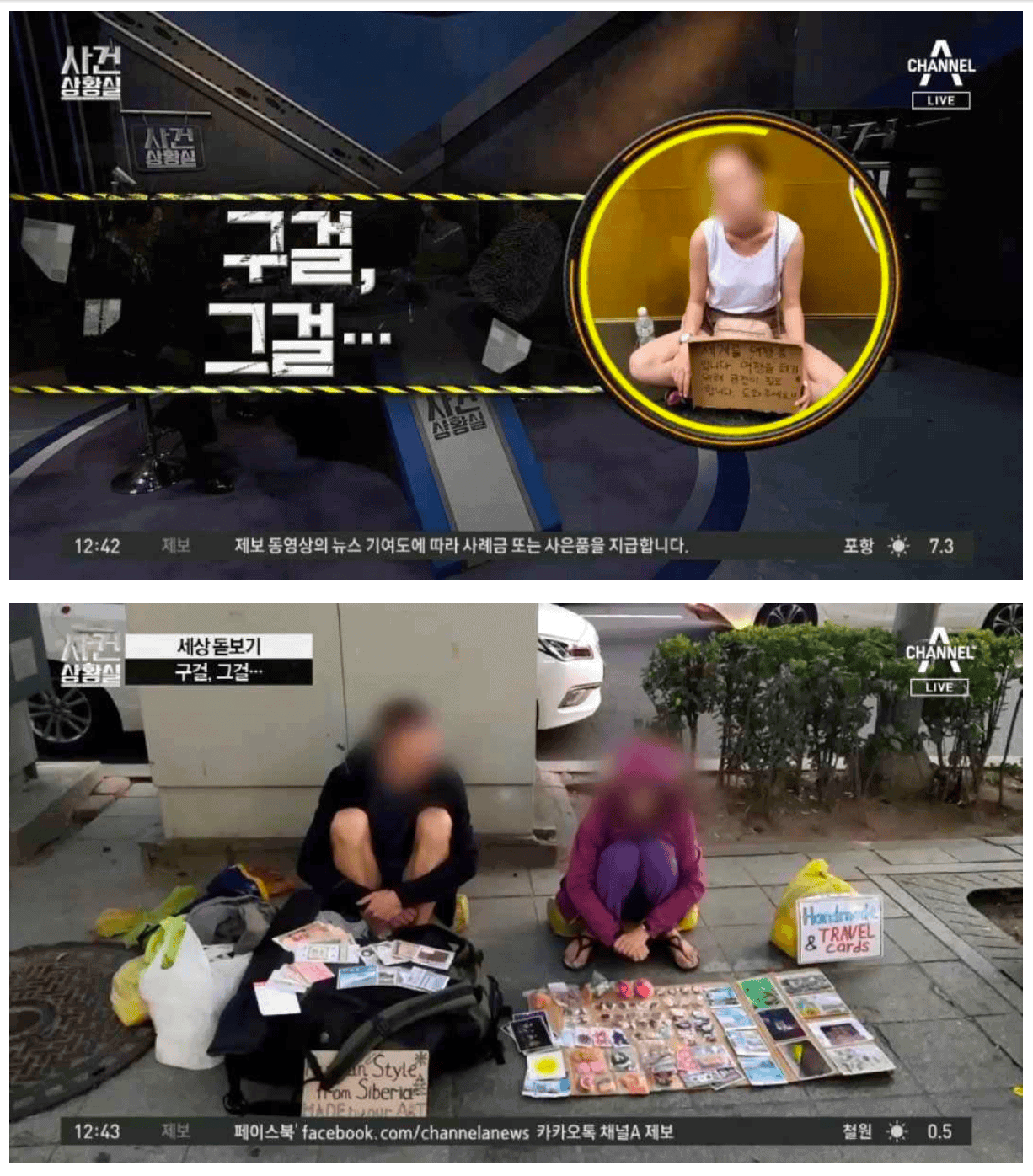
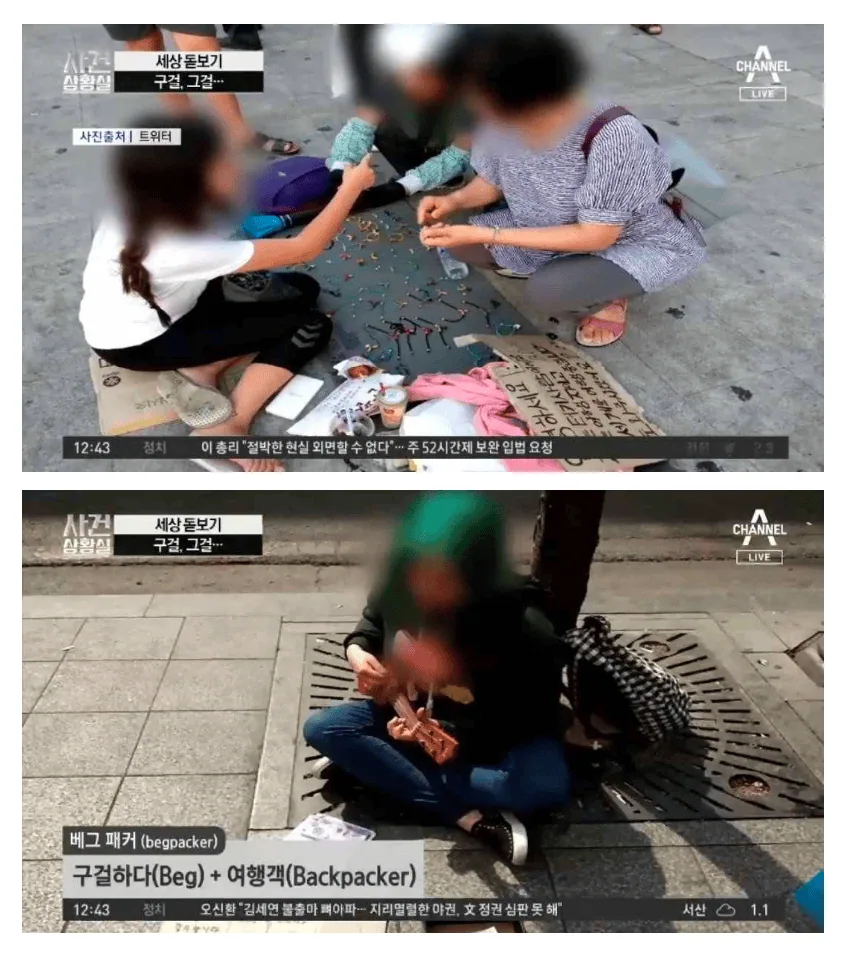
별첨 A: 채널A가 무단 사용한 라파엘 라시드의 베그패커 사진.
무단 사용 사실을 발견한 후, 저는 채널A에 100원을 청구했습니다(별첨 B). 이것은 금전적 문제가 아니라, 저널리스트의 창작물을 사용하기 전에는 처음에 어디에 게재되었든 상관없이 반드시 허가를 구해야 한다는 원칙을 확립하기 위한 것이었습니다.
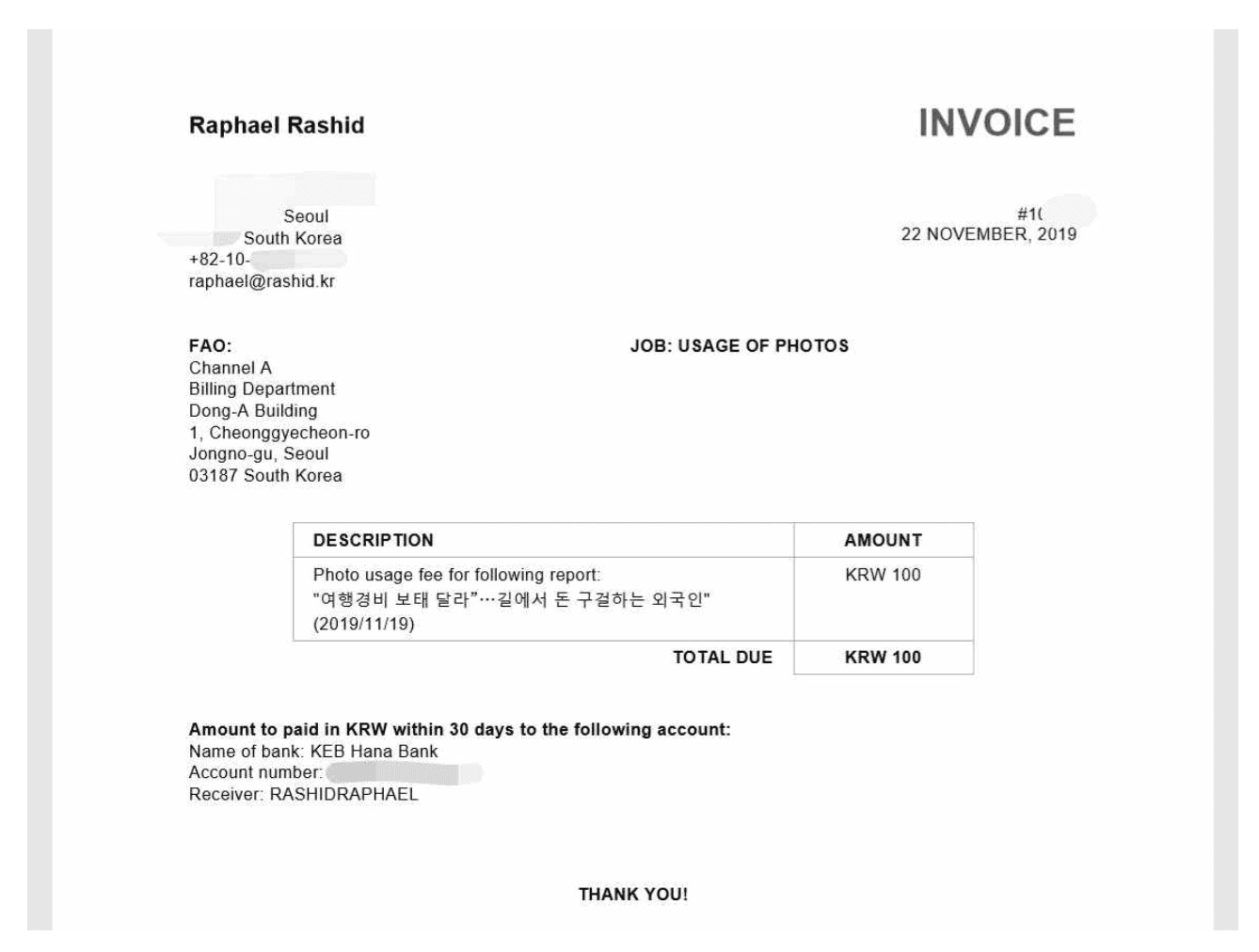
별첨 B: 채널A측에 보낸 100원짜리 청구서
채널A는 이러한 과실을 인정하고, 사전 동의 없이 제 저작물을 사용한 점과 출처 표기가 불충분했던 점에 대해 사과했으며, 상징적인 금액을 지불하기로 합의했습니다(별첨 C).
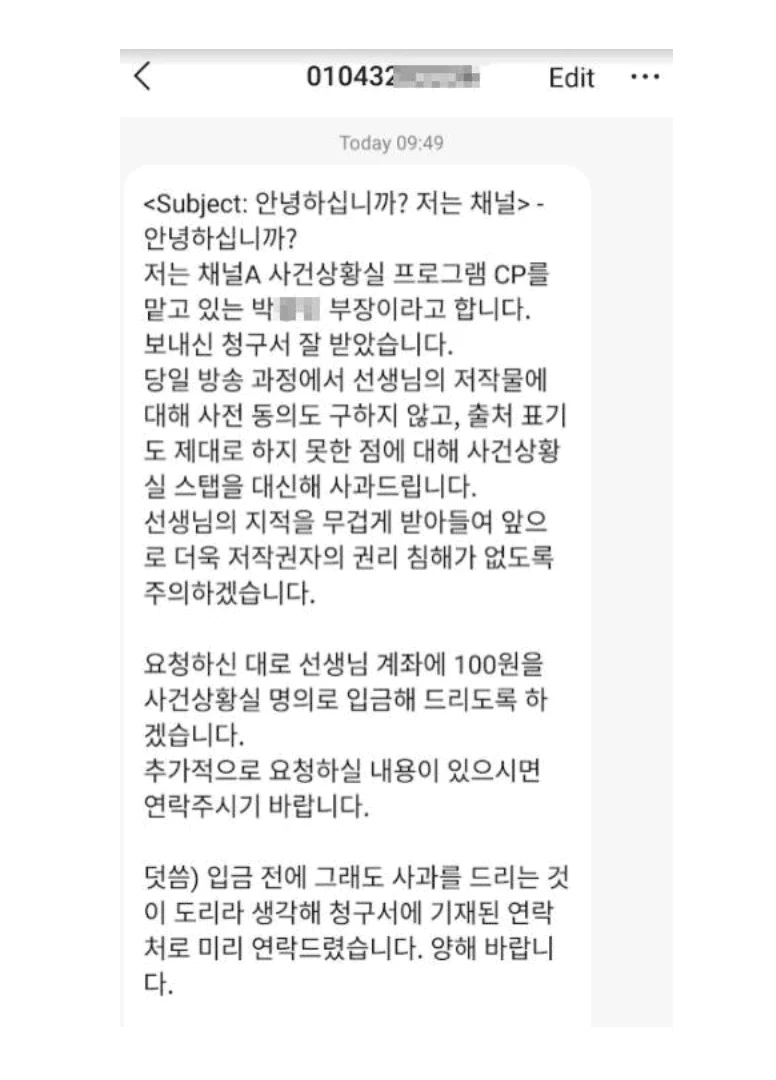
별첨 C: 채널A측 사과문자
그러나 저작권에 대한 기본적인 허가 절차가 애초에 마련되어 있지 않았다는 사실은, 제가 한국 언론 내에서 관찰한 보다 광범위한 패턴을 반영합니다. 즉, 온라인 상에서 발견되는 콘텐츠, 특히 외국 출처의 콘텐츠는 명시적 동의나 허가를 구하는 최소한의 도의적 절차없이, 자유롭게 상업적으로 사용해도 된다는 인식이 만연하다는 것입니다.
3. 정당한 라이선스 체결의 중요성 (MBC 사례)
적법한 저작권 절차의 중요성은 최근 MBC와의 작업을 통해 더욱 분명해졌습니다. 2025년 초, 저는 윤석열 대통령의 계엄령 선포를 다루는 <라파엘 리포트: 윤석열은 왜?>라는 다큐멘터리의 주인공으로 참여했습니다. 제작 과정에서 제가 작성한 가디언 기사들을 자료 화면으로 사용해야 했을 때 (별첨 D), MBC는 가디언 뉴스 & 미디어와 정식으로 라이선스 계약을 체결했습니다 (별첨 E, 신문 지면 사진 1장에 450 파운드, 현재 환율로 약 90만원).
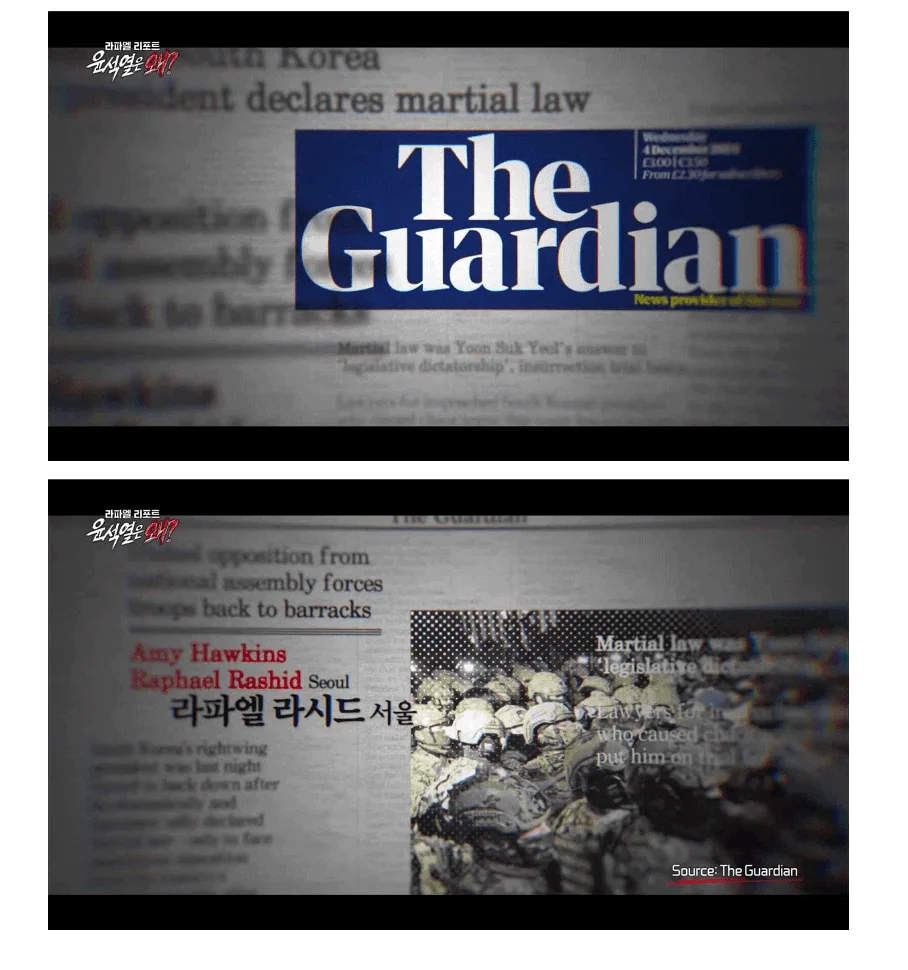
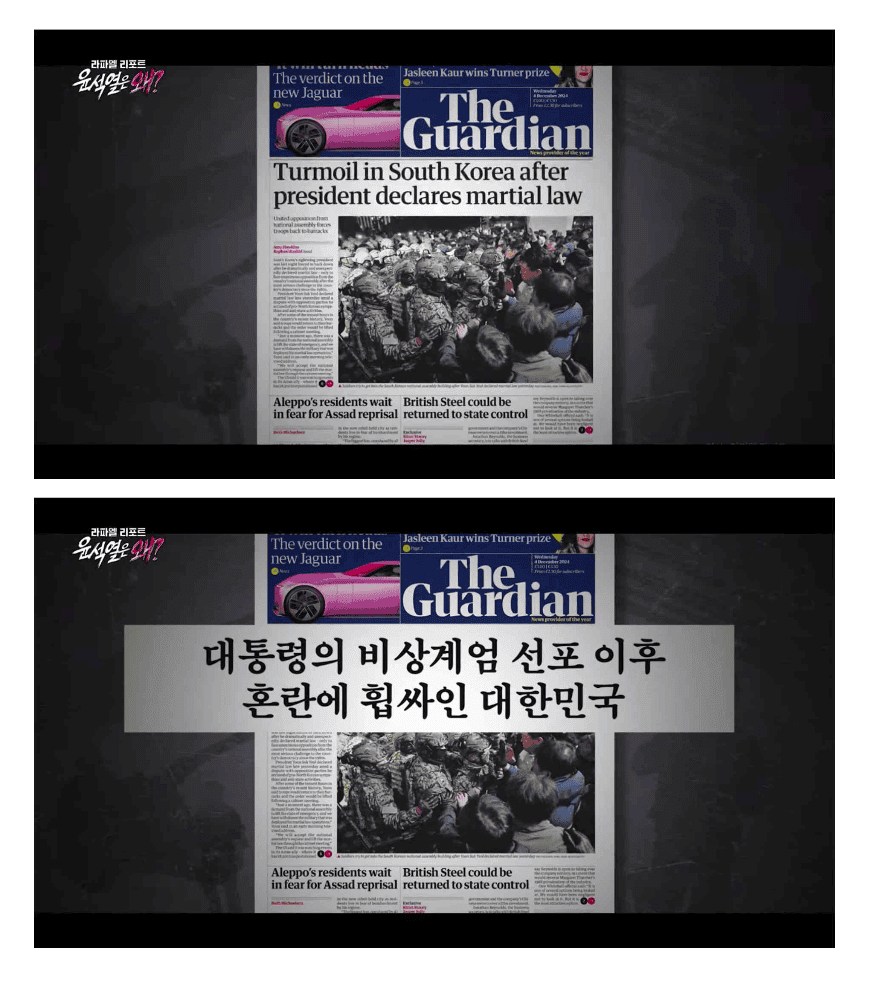
별첨 D: MBC가 구입한 가디언지 지면 기사 사진
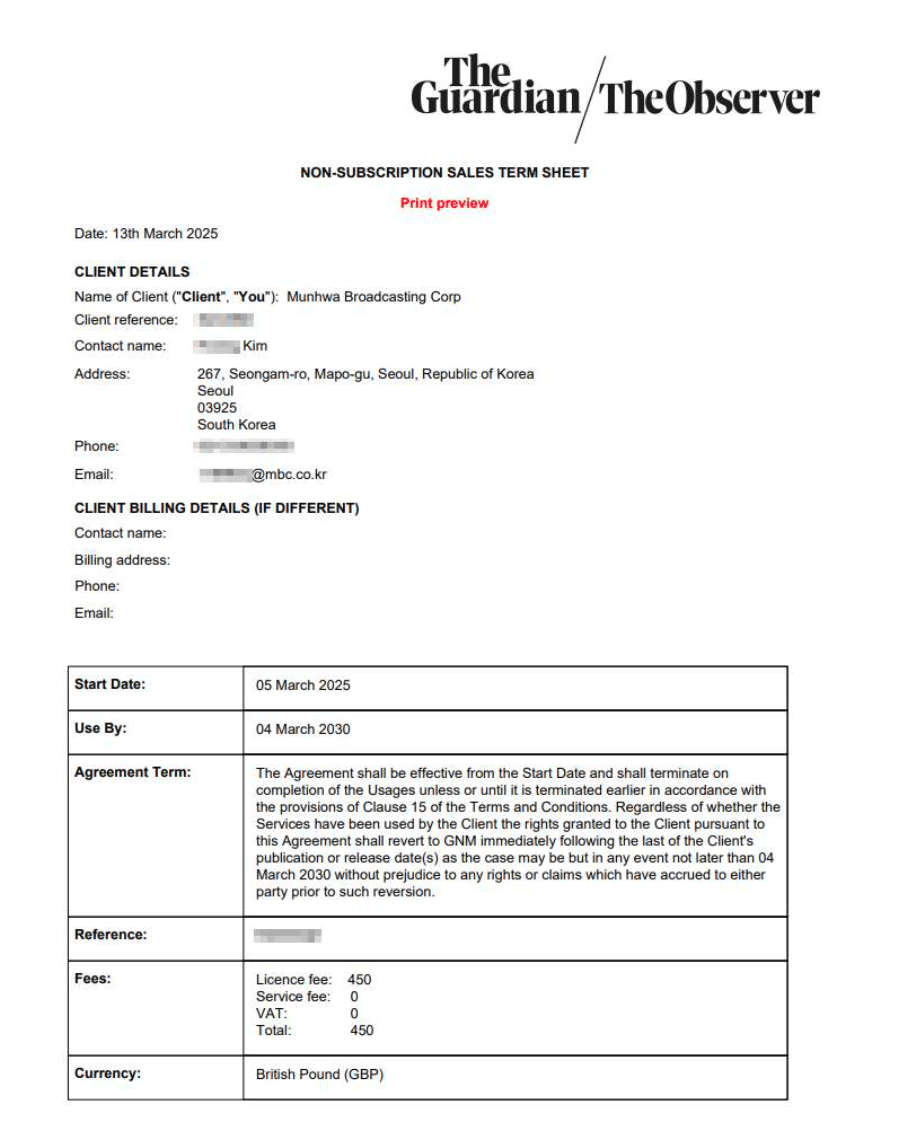
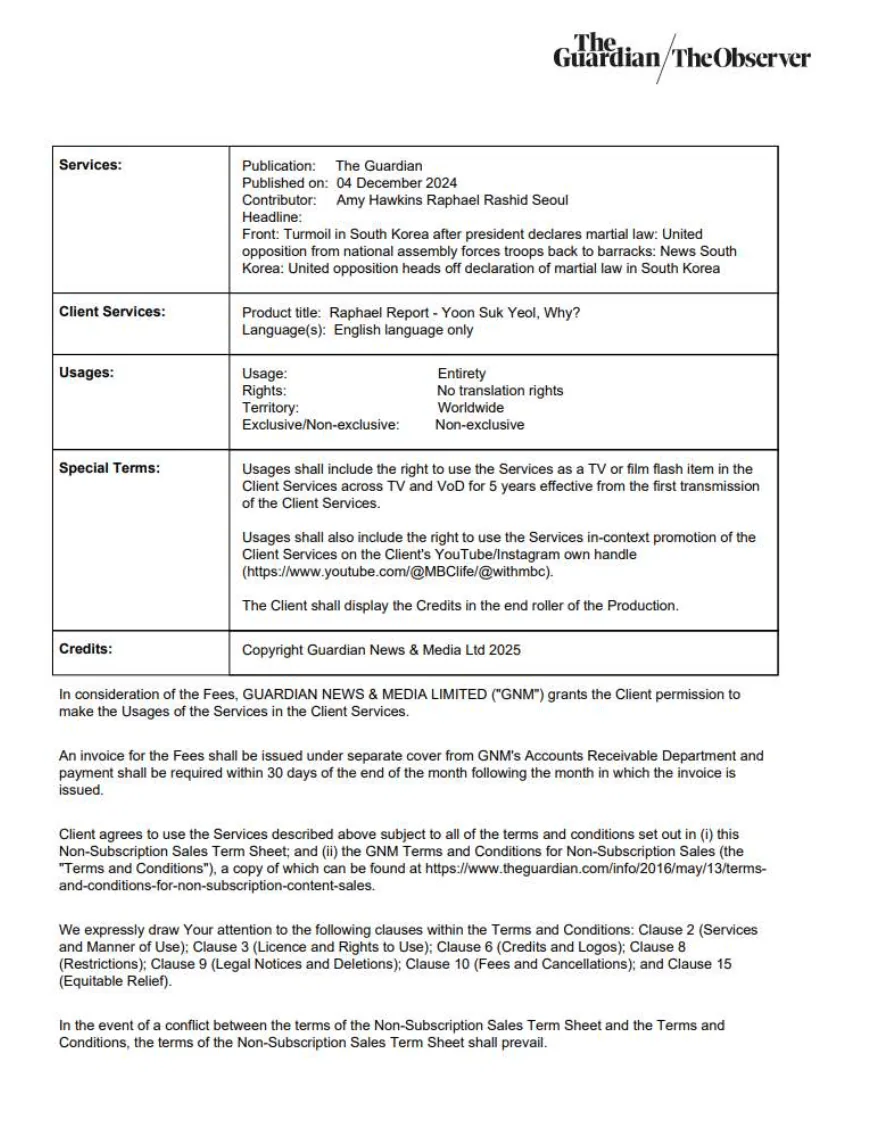
별첨 E: 가디언 지면 기사 사진에 대해 MBC가 정당하게 지불한 라이선스 계약 증빙
14년간 한국에서 취재하면서, 저는 한국 언론 매체들이 외국 저작권 자료를 바라보는 방식에서 일관된 패턴을 발견했습니다. 언론사들은 실제 출처와 무관하게 ‘SNS 화면 캡처’, ‘온라인 커뮤니티 출처’와 같이 광범위하고 불분명한 표기를 하는 경우가 많으며, 이는 실제 창작자를 숨기는 동시에 해당 콘텐츠가 사실상 공공재인 것처럼 보이게 만듭니다. 또한 외신기자의 창작물은 국내 콘텐츠보다 상대적으로 자유롭게 사용할 수 있다는 인식이 존재하는 것으로 보입니다.
4. 피고 신혜리의 구체적 침해 사례 지적
이러한 관행은 사진에 그치지 않고 기사 전문으로까지 이어집니다. 해외 언론사의 콘텐츠가 허가 없이 번역되어 한국 플랫폼에 무단으로 게재되는 사례가 빈번하게 발생하고 있습니다.
이 사건의 피고 신혜리의 활동에서 제가 직접 발견한 한 사례에서는, 제가 영국 가디언지(The Guardian)에 기고한 사설(별첨 G)이 전문 그대로 수익을 창출하는 네이버 구독 플랫폼 페이월 뒤에(별첨 F) 게재되어 있었습니다. 원문과 번역본을 대조한 자료(별첨 H)를 보시면, 해당 유료 게시물이 원문을 글자 그대로 번역하여 복제한 것임을 명확히 확인할 수 있습니다.
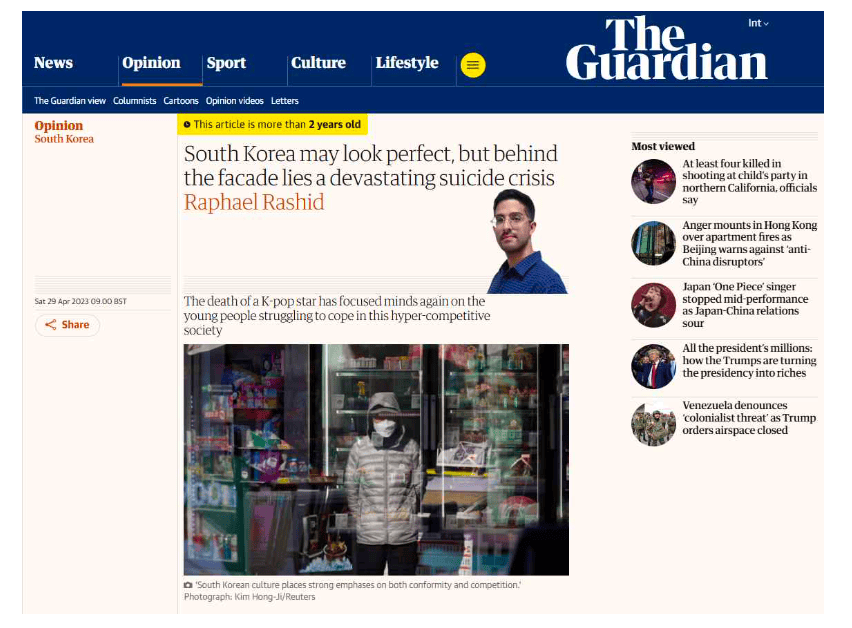
별첨 G: 라파엘 라시드가 가디언지에 기고한 사설 원문
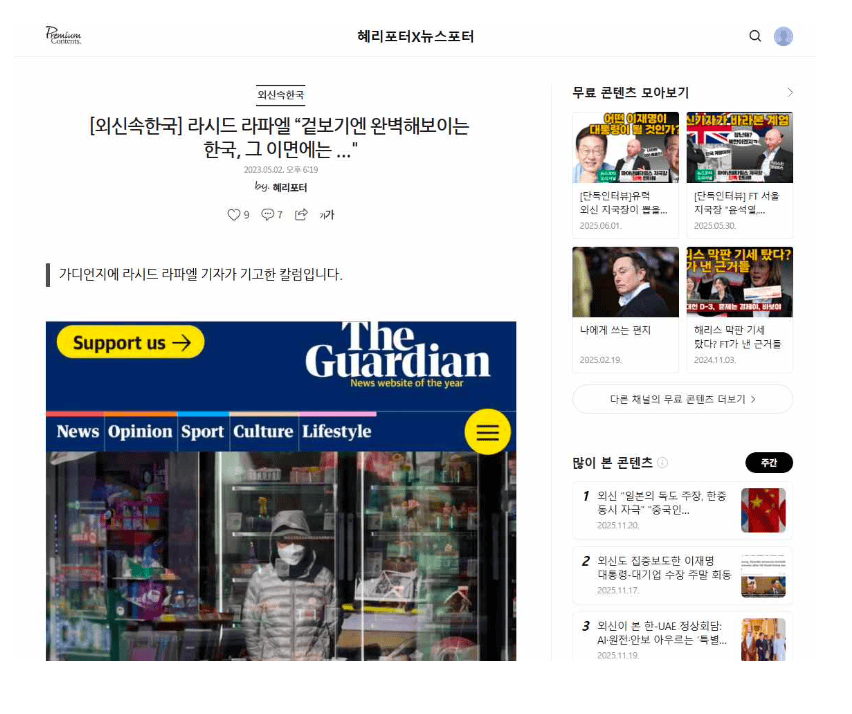
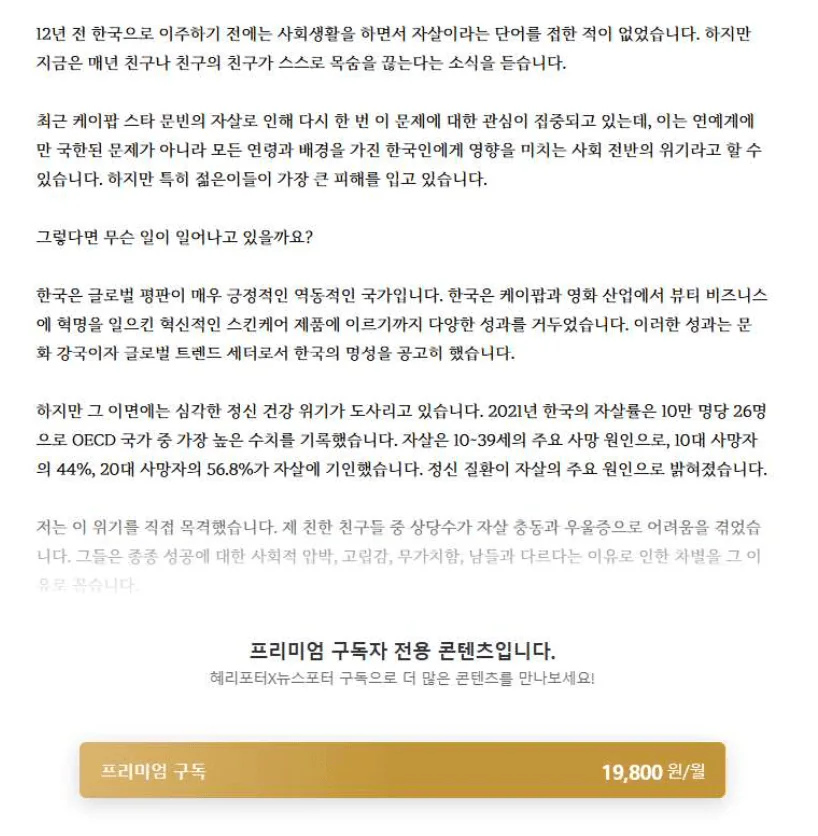
별첨 F: 뉴스포터에서 글자 그대로 번역하여 유료 페이월 뒤에 올려놓은 사설
▶ 별첨 H: 가디언 원문 및 뉴스포터 무단 번역본 대조표 바로가기
이는 저작권이 있는 콘텐츠를 직접적이고 상업적인 방식으로 부당하게 이용한 사례로, 국제적으로 통용되는 저작권을 체계적으로 경시하는 관행이 한국내 모든 미디어 콘텐츠 유형에 걸쳐 나타난다는 점을 보여줍니다.
5. 결론 및 재판부에 드리는 요청
언론 매체들이 허가 없이 창작물을 자유롭게 사용할 수 있다면, 프리랜서들의 취재활동은 경제적으로 지속 불가능해지며, 라이선스 비용을 정상적으로 지불하는 매체와 무단으로 취득하여 사용하는 매체 사이에 불공정 경쟁이 발생하게 됩니다.
저작권 보호는 독립적인 언론활동을 유지하는 데 필수적인 요소입니다. 허가를 구하고, 적절한 출처를 표시하며, 필요한 경우 라이선스 사용료를 지불하는 것은 과도한 부담이 아니라, 모든 선진 미디어 시장에 존재하는 최소한의 기준입니다.
저와 박준수 기자와 같은 프리랜서 언론인에게 저작권 보호란, 독창적인 콘텐츠를 창작하는 사람들이 자신의 지적 재산권이 존중받는 환경에서 전문적이고 지속 가능한 방식으로 계속 활동할 수 있도록 보장하는 것을 의미합니다.
삼가 제출합니다.
라파엘 라시드
프리랜서 외신기자
대한민국 서울
2025년 12월 1일
별첨 H: 가디언 원문 및 뉴스포터 무단 번역본 대조표
(Appendix H: Side-by-side comparison demonstrating the verbatim nature of reproduction)
| 라파엘 라시드 사설 가디언(The Guardian) 원문 | 뉴스포터 무단 번역본 (네이버 유료 페이월) |
|---|---|
| Before I moved to South Korea, 12 years ago, I hadn’t really come across suicide in my social life. Now, every year I hear of friends, or friends of friends, taking their own lives. The recent suspected suicide of K-pop star Moonbin has focused minds yet again on this problem – one which is far from limited to the entertainment industry, but is a full-blown social crisis affecting Koreans of all ages and backgrounds. However, it is young people in particular who are bearing the brunt. | 12 년 전 한국으로 이주하기 전에는 사회생활을 하면서 자살이라는 단어를 접한 적이 없었습니다. 하지만 지금은 매년 친구나 친구의 친구가 스스로 목숨을 끊는다는 소식을 듣습니다. 최근 케이팝 스타 문빈의 자살로 인해 다시 한번 이 문제에 대한 관심이 집중되고 있는데, 이는 연예계에만 국한된 문제가 아니라 모든 연령과 배경을 가진 한국인에게 영향을 미치는 사회 전반의 위기라고 할 수 있습니다. 하지만 특히 젊은이들이 가장 큰 피해를 입고 있습니다. |
| So what is going on? | 그렇다면 무슨 일이 일어나고 있을까요? |
| Korea, after all, is a dynamic country whose global reputation is remarkably positive. It has made from the behemoth that is K-pop and its film industry, to its innovative skincare products that have revolutionised the beauty business. These achievements have solidified South Korea’s reputation as a cultural powerhouse and global trendsetter. | 한국은 글로벌 평판이 매우 긍정적인 역동적인 국가입니다. 한국은 케이팝과 영화 산업에서 뷰티 비즈니스에 혁명을 일으킨 혁신적인 스킨케어 제품에 이르기까지 다양한 성과를 거두었습니다. 이러한 성과는 문화 강국이자 글로벌 트렌드 세터로서 한국의 명성을 공고히 했습니다. |
| Yet beneath the facade lies a mental health crisis of grave proportions. In 2021, South Korea recorded a suicide rate of 26 per 100,000 people, the highest among OECD countries. Suicide was the main cause of death for those aged 10 to 39, with 44% of teenage deaths and 56.8% of deaths of those in their 20s attributed to it. Mental illness was identified as the leading cause of suicide. | 하지만 그이면에는 심각한 정신건강 위기가 도사리고 있습니다. 2021년 한국의 자살률은 10만 명당 26명으로 OECD 국가 중 가장 높은 수치를 기록했습니다. 자살은 10~39세의 주요 사망 원인으로, 10대 사망자의 44%, 20대 사망자의 56.8%가 자살에 기인했습니다. 정신 질환이 자살의 주요 원인으로 밝혀졌습니다. |
| I have seen this crisis with my own eyes. Many of my closest friends have struggled with suicidal thoughts and depression. They often cite societal pressures to succeed, feelings of isolation, worthlessness and discrimination for not conforming or being different. It’s a conversation that’s become all too familiar and many of my peers are seeking psychological help, albeit discreetly. While more people speak openly about mental health than they used to, the topic still remains taboo and is often seen as a personal weakness or failure. | 저는 이 위기를 직접 목격했습니다. 제 친한 친구들 중 상당수가 자살 충동과 우울증으로 어려움을 겪었습니다. 그들은 종종 성공에 대한 사회적 압박, 고립감, 무가치함, 남들과 다르다는 이유로 인한 차별을 그 이유로 꼽습니다. 이제는 너무도 익숙한 이야기가 되었고, 많은 동료들이 조심스럽지만 심리적인 도움을 구하고 있습니다. 예전보다 더 많은 사람들이 정신 건강에 대해 공개적으로 이야기하지만, 여전히 금기시되는 주제이며 개인적인 약점이나 실패로 간주되는 경우가 많습니다. |
| Suicide in the entertainment industry is just one manifestation of the constant pressure and stress that young people face in a hyper-competitive society. In the case of Moonbin, in a live chat just days before his passing, the singer with the group Astro said, “I’ve chosen this job, so I need to handle it”. Police found no signs of foul play, and suspect he died by suicide. | 연예계 자살은 경쟁이 치열한 사회에서 젊은이들이 겪는 끊임없는 압박과 스트레스의 한 단면일 뿐입니다. 그룹 아스트로의 가수 문빈의 경우, 사망 며칠 전 라이브 채팅에서 “내가 선택한 일이니 내가 감당해야 한다”는 말을 남겼습니다. 경찰은 타살 흔적을 발견하지 못했으며 자살로 사망한 것으로 추정하고 있습니다. |
| However, the crisis is not confined to K-entertainment and there are no shortage of daily headlines about people making “extreme choices”, a euphemism for ending one’s life. This includes schoolchildren – factors such as academic pressure and bullying are cited as explanations. | 그러나 위기는 K-엔터테인먼트에만 국한된 것이 아니며, 목숨을 끊는 것을 완곡하게 표현한 ‘극단적 선택’을 하는 사람들에 대한 기사는 계속 나옵니다. 여기에는 학생들도 포함되며, 학업 압박과 왕따 등의 요인이 원인으로 지목되고 있습니다. |
| This month, three teenagers fell to their deaths from high-rise buildings within five days of each other in Seoul’s affluent Gangnam district. Although the factors at play will be complex and varied, the place is known for its high concentration of elite schools and expensive private “cram schools”. | 이번 달에는 서울의 부유한 강남 지역에서 5일 간격으로 세 명의 청소년이 고층 건물에서 추락해 사망하는 사건이 발생했습니다. 복합적이고 다양한 요인이 작용하겠지만, 이 지역은 엘리트 학교와 고가의 사설 ‘학원’이 밀집해 있는 것으로 유명합니다. |
| In the hope of securing bright futures for their children, many parents throw them into an intensive education system, which takes precedence over socialisation and wellbeing. This obsession stems from the highly competitive job market, where good grades and a prestigious university degree are seen as necessary for obtaining stable and well-paid employment. The result is that the vast majority of children, some as young as two, are sent to cram schools on top of regular schooling. | 자녀의 밝은 미래를 보장하기 위해 많은 부모가 사회화와 복지보다 우선시되는 집중적인 교육 시스템에 자녀를 던집니다. 이러한 강박관념은 경쟁이 치열한 취업 시장에서 좋은 성적과 명문대 학위가 안정적이고 보수가 좋은 일자리를 얻는 데 필요한 것으로 여겨지는 데서 비롯됩니다. 그 결과 대다수의 아이들이, 심지어 두 살밖에 안 된 아이들도 정규 학교 교육 외에 학원에 보내지고 있습니다. |
| Here’s the thing: South Korea is a deeply unhappy country. Having written a book on the topic, I’ve explored how South Korean culture places strong emphases on both conformity and competition, a contradiction that can generate stress, isolation, suppressed emotions, and deep dissatisfaction. | 한국은 매우 불행한 나라입니다. 저는 이 주제에 관한 책을 쓰면서 한국 문화가 어떻게 스트레스, 고립감, 억압된 감정, 깊은 불만을 유발할 수 있는 모순인 순응과 경쟁을 강조하는지 살펴봤습니다. |
| Recently, the government announced its aim to reduce the country’s suicide rate by almost 30% within five years, and to shorten the gap between mandatory mental health checkups from 10 years to two. | 최근 정부는 5년 내 국내 자살률을 30% 가까이 낮추고, 정신건강검진 의무화 기간을 10년에서 2년으로 단축하겠다는 목표를 발표했습니다. |
| Not all mental health treatments are covered by national insurance, which makes it difficult for people to access mental health services. Private counselling and therapy sessions can be expensive. This financial burden can be especially challenging for those who require ongoing counselling or therapy for conditions such as depression. Help centres and helplines also exist and are playing an important role, but these are mainly reactive measures to address mental health issues after they have developed. | 모든 정신건강 치료가 국가 보험의 적용을 받는 것은 아니기 때문에 사람들이 정신건강 서비스를 이용하기가 어렵습니다. 개인 상담 및 치료 세션은 비용이 많이 들 수 있습니다. 이러한 경제적 부담은 우울증과 같은 질환으로 지속적인 상담이나 치료가 필요한 사람들에게 특히 어려울 수 있습니다. 헬프 센터와 헬프라인도 존재하고 중요한 역할을 하고 있지만, 주로 정신건강 문제가 발생한 후 사후 대응적인 조치에 그치고 있습니다. |
| I once tutored a seven-year-old in English. She did not get to bed until 10pm each day because of all her extra tuition and CV-embellishing activities. During my lessons, she tended to fall asleep. She was anything but happy. I felt terrible contributing to her misery, and quit. | 저는 일곱 살짜리 아이에게 영어 과외를 한 적이 있습니다. 그 아이는 학원과 이력서를 채워야 하는 활동 때문에 매일 밤 10시까지 잠자리에 들지 못했습니다. 제가 수업을 하는 동안 아이는 잠이 들곤 했습니다. 그녀는 행복하지 않았습니다. 저는 그녀의 불행에 기여하는 것이 끔찍하게 느껴져 그만두었습니다. |
| As South Korea continues to dazzle with its outward image of perfection, the glaring paradox at home can no longer be overlooked. It’s time to break the cycle of competition and conformity and create a society that values compassion and individuality. Above all, policymakers need to restore hope in citizens that South Korea is a place where they can simply be happy. | 한국이 외형적인 완벽주의 이미지로 눈부시게 발전하고 있지만, 내면의 눈부신 역설을 더 이상 간과해서는 안 됩니다. 경쟁과 순응의 고리를 끊고 배려와 개성을 중시하는 사회를 만들어야 할 때입니다. 무엇보다도 정책 입안자들은 대한민국이 행복할 수 있는 곳이라는 시민들의 희망을 회복시켜야 합니다. |
📄 English Original Text by Raphael Rashid (라파엘 라시드 의견서 영문 원본 보기)
존경하는 재판부 귀하,
I am Raphael Rashid, a British freelance journalist who has lived and worked in Korea for over 14 years, contributing regularly to The Guardian, The New York Times, Nikkei Asia, Al Jazeera, and other international outlets.
I write this letter to provide context on the importance of copyright protection for independent media professionals and my observations of systematic copyright practices within Korean media.
Unlike staff journalists who receive regular salaries and benefits, freelance journalists depend entirely on individual assignments and licensing fees. We have no guaranteed income, no sick pay, and no pension contributions from employers. Our written work, photographs, and other creative output represent our only tangible assets. Copyright protection is not merely a legal technicality for freelancers; it is the foundation of our economic survival.
When media, whether traditional outlets or monetised digital platforms such as YouTube or magazines behind paywalls, use our work without permission or compensation, they are directly undermining our ability to earn a living.
In 2019, I experienced firsthand how Korean media approaches copyright. Channel A used several of my photographs in their current affairs programme without permission or attribution (Appendix A).
When I discovered the unauthorised use, I invoiced Channel A for 100 won (Appendix B). This was not about the money, but about establishing the principle that permission must be sought before using a journalist’s work, regardless of where it was originally published.
Channel A acknowledged the oversight, apologised for using my work without prior consent and for inadequate source attribution, and agreed to pay the symbolic fee (Appendix C).
However, the fact that such basic permission protocols were not in place initially reflects a broader pattern I have observed within Korean media: that content found online, particularly from foreign sources, is often assumed to be freely available for commercial use without explicit consent or basic professional courtesy of asking.
The importance of proper copyright procedures became even clearer during my recent work with MBC. Earlier in 2025, I participated as the protagonist in a documentary called <라파엘 리포트 : 윤석열은 왜?> examining President Yoon Suk Yeol’s martial law declaration. When the production needed to feature my Guardian articles as on-screen graphics (Appendix D), MBC obtained formal licensing agreements from Guardian News & Media to feature these on screen (Appendix E).
Over 14 years covering Korean affairs, I have observed consistent patterns in how Korean media outlets approach foreign copyright material. Outlets frequently cite “social media screenshot” or “from an online community” as source attribution, regardless of the content’s actual origin, which obscures the original creator and suggests the material is public domain. There appears to be an assumption that foreign journalists’ work is more freely available than domestic content.
These practices extend beyond photographs to complete articles. International outlets frequently find their content translated and republished on Korean platforms without permission.
In one instance I discovered personally, an opinion piece I wrote for The Guardian (Appendix G) had been translated in its entirety and published behind a paywall on a monetised platform (Appendix F). A side-by-side comparison demonstrates the verbatim nature of this reproduction (Appendix H). This represents direct commercial exploitation of copyrighted content, demonstrating that the systematic disregard for international copyright extends across all forms of media content.
When outlets can freely use creative work without permission, it makes freelance journalism economically unsustainable and creates unfair competition between those who pay licensing fees and those who simply take what they need.
Copyright protection serves a vital function in supporting independent journalism. Asking permission, providing proper attribution, and paying licensing fees when appropriate are not unreasonable burdens but basic professional standards that exist in every developed media market.
For freelance journalists like myself and Mr Jun Michael Park, copyright protection is about ensuring that those who create original content can continue to do so professionally and sustainably in an environment where their intellectual property rights are respected.
Respectfully submitted,
Raphael Rashid
Freelance journalist
Seoul, South Korea
December 1, 2025